As you might know, teeth aren’t invincible. They can (and often do) suffer damage due to accidents and lifestyle factors. However, there’s a great way to treat broken and decayed chompers: dental crowns in Fort Valley! With the help of these special caps, your damaged teeth can get much-needed repairs. We at Fantastic Smiles will even explain how treatment works. To that end, keep reading or call our office for the relevant details.
What is a Dental Crown?
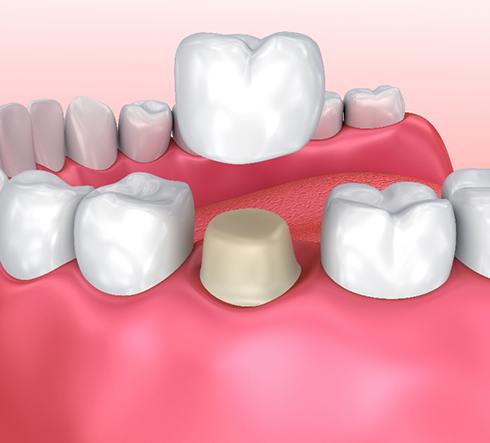
Simply put, a dental crown is a “cap” for a damaged tooth. Its main purpose is to restore the affected area’s structure, function, and look. In doing so, the treated tooth is protected from further decay and gains a nicer appearance.
Given the qualities above, ideal crown candidates tend to have:
- Fairly worn or broken teeth
- A tooth that recently got a root canal
- Cavities that can’t be fixed with a filling
- Misshapen or discolored teeth
- A fragile smile at risk of fracturing
All the same, the best way to confirm crown candidacy is to visit our office. Dr. Marable can examine your tooth (or teeth) to see if crown treatment suits you.
The Dental Crown Process
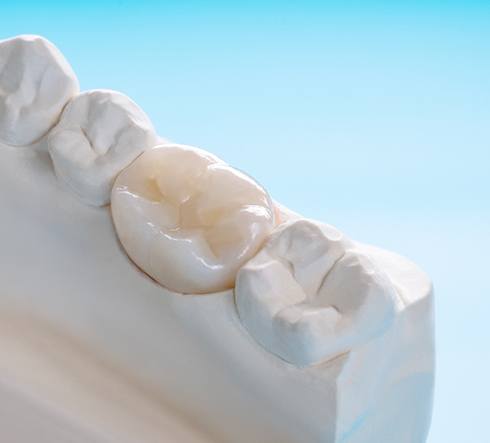
Here at Fantastic Smiles, the crown process varies from patient to patient. Still, it generally takes two possible approaches. The first is used for traditional crowns, while the second is geared toward CEREC one-visit crowns.
In traditional crown treatment, there are three crucial steps. Things start with a consultation – an appointment that settles if you need a crown. Next is the “preparatory visit,” which removes bits of your enamel so the restoration fits snugly. You’ll then attend the final placement a few weeks later.
With CEREC one-visit crowns, the treatment process is more streamlined. These caps (per their name) are made in a single dental visit with CEREC technology. As such, the dentist can create a 3D model of your tooth and use it to mill a crown in the office.
The Benefits of Getting a Dental Crown

Left untreated, your damaged tooth can cause serious long-term problems. A dental crown, though, would keep such things at bay. More specifically, it’d offer benefits like the following:
- Lifelike Looks: Our office’s dental crowns are metal-free and tooth-colored. Therefore, they match surrounding teeth and blend seamlessly with your smile.
- Versatile Care: A crown ultimately covers a tooth’s topmost portion. That means it can correct various problems – decay, cavities, fractures, and more.
- Tooth Protection: Thanks to using durable material, a crown protects your tooth from further decay. In other words, the pearly white is less likely to get infected or need a root canal.
- Enduring Results: Should you maintain it with proper oral care, your crown could last 15 years or more.
Dental Crowns FAQs
What are dental crowns made from?
Historically, restorations like dental crowns were made from amalgam mixtures of metal because the materials are durable enough to withstand the pressures of daily biting and chewing.
But thanks to ongoing developments in dental technology and materials, today, most providers make these tooth-shaped caps using more lifelike materials, such as resilient ceramic. Not only can these restorations last just as long as their metallic counterparts, but they can also be customized to resemble your natural teeth for seamless results that boost your confidence.
Are dental crowns permanent?
Some patients wonder whether dental crowns are meant to be removable or whether they’re a permanent solution. These covers are typically not meant to be removed once they’re cemented in place, but because they sometimes wear down and require repairs or replacement, they’re often considered more long-term than ‘permanent’.
With that said, for the cap to fit correctly, Dr. Marable must remove a small amount of enamel from the underlying tooth, which doesn’t regenerate. That means this procedure involves making irreversible changes to your smile.
Do dental crowns get cavities?
Cavities occur when certain unhealthy bacteria in your mouth thrive and produce acids that erode your enamel. Your prosthetic is carefully designed to look and feel as lifelike as possible, but it’s not made from the same organic components as your enamel, so it can’t develop tooth decay.
But the tooth or implant it’s covering can potentially be harmed by common dental concerns, such as gum disease and tooth decay. You must maintain a twice-daily dental hygiene routine that includes brushing and flossing to help prevent dental crown failure.
How long do dental crowns usually last?
Being fitted with a new dental crown can involve an investment of both personal time and resources, and it’s natural to wonder whether it’ll last long enough to be worth it. Thankfully, these prosthetics are known to be incredibly durable, and often remain in good shape for anywhere from 5 to 15+ years.
However, that’s only as long as they’re cared for correctly. Your restoration can become chipped, cracked, stained, destabilized, or dislodged if you don’t take the proper precautions. You can usually help extend its longevity by implementing a consistent at-home dental hygiene routine, avoiding overly hard, crunchy, sticky, or darkly pigmented foods, and by visiting our team every six months for a routine checkup and cleaning.
Standard visits allow our team to monitor your condition so we can catch and treat any areas of concern, like a loose dental crown, before it becomes more problematic.