It is estimated that 140 million people have lost at least one tooth. Fortunately, Dr. Marable can replace one or several sequential missing teeth with a comfortable and incredibly lifelike dental bridge. These appliances can restore a smile’s appearance and more evenly distribute chewing pressure while preventing dental drift, which can save teeth from injuries and infections. Here’s a brief guide to dental bridges, but feel free to contact our office if you have any questions.
What Is a Dental Bridge?
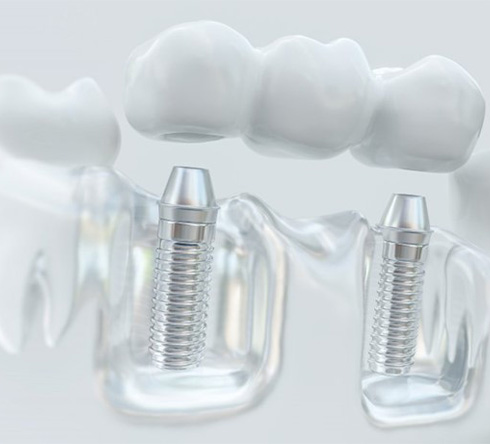
A dental bridge is one or more sequential artificial teeth held in place by either crowns or dental implants on either side. These appliances are used to replace one to three missing teeth in a row, and almost anyone can be a good candidate as long as they have healthy gums, teeth, and jaws. Dental bridges can be made from high-quality ceramic or porcelain materials, allowing them to seamlessly blend in with the rest of your smile.
Types of Dental Bridges
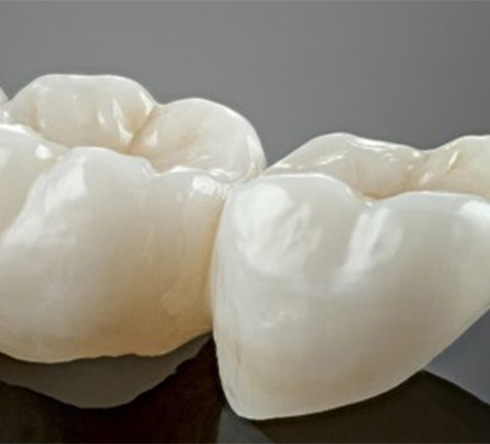
The first step to getting a dental bridge is to have a consultation with Dr. Marable. During this visit, he will inspect your mouth and discuss your needs and goals with you so he can develop an appropriate treatment plan. Based on his findings, he may recommend either a traditional dental bridge supported by crowns or an implant bridge supported by dental implants.
Traditional Dental Bridge
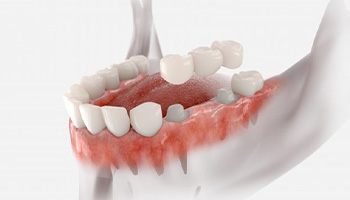
A traditional dental bridge is one or several artificial teeth strung between two dental crowns intended to be placed on the healthy teeth on either side of the empty space in your smile. These bridges can beautifully restore your grin while allowing you to chew many foods normally.
Implant Bridge
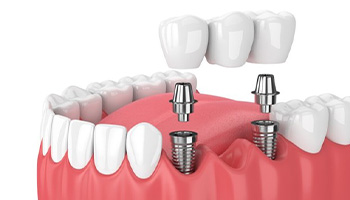
Rather than being anchored with crowns placed on healthy teeth, implant bridges are secured with dental implants surgically placed in the jawbone. This creates a more stable hold that allows the patient to chew more confidently, and these bridges do not require healthy teeth to be altered to support crowns.
The Benefits of Getting a Dental Bridge

Dentists recommend replacing lost teeth as soon as possible to prevent issues like dental drift, gum disease, and tooth injuries due to uneven chewing pressure. These problems can make it difficult to eat and speak confidently while diminishing your confidence and self-image. Dental bridges can address these issues by replacing lost teeth and helping the remaining ones stay in place, preserving the patient’s appearance and overall health. If you’re interested in receiving a dental bridge, schedule a consultation at our office to discuss your options.
Dental Bridges FAQs
Can You Take a Dental Bridge Out?
No, you cannot remove a dental bridge on your own. They were designed to remain in your mouth for many years once they’ve been placed. Only your dentist can safely remove your dental bridge on your behalf.
Some healthcare professionals do refer to dental bridges as “removable bridges,” however this is not entirely accurate. Partials are very similar to bridges, but one of their main differences is that they can be removed by the patient at any time, while dental bridges cannot.
How Long Should a Dental Bridge Last?
On average, most dental bridges last between five and fifteen years; however, this will vary depending on the material the bridge is made from and how well you take care of both the bridge and your smile.
Dental bridges that are made from metal generally have a longer lifespan, but this is not always the case, and even then, the difference is typically negligible.
In most cases, the longevity of your dental bridge will depend on individual factors such as your diet, oral hygiene, and whether you have any bad oral habits such as smoking, teeth grinding, and crunching ice. Furthermore, bridges that replace front teeth may last slightly longer than those in the back, as they’re not subjected to as much wear and tear from chewing.
If you have a dental implant bridge, it will likely last much longer than a traditional bridge. While the restoration itself will need to be replaced at some point, the implant posts should remain in place for a lifetime with proper care.
Is a Partial Denture the Same as a Bridge?
No. Although partial dentures are often referred to as “removable bridges,” they aren’t the same as a traditional fixed bridge. A dental bridge is designed to stay in place for many years and can only be removed by your dentist. However, a partial denture can be removed by the patient at any time.
The other main difference between the two is that a dental bridge can only replace consecutive missing teeth, while partial dentures can replace several teeth at various points along the arch.
Dental bridges are anchored in place via abutment crowns that are fitted over two remaining healthy teeth, while partials typically use metal clips or clasps that secure behind the natural teeth.
Dr. Marable will review your options to determine which tooth replacement would best suit your needs at your dental bridge consultation.
How Many Teeth Can a Dental Bridge Replace?
Depending on your individual needs, a dental bridge can replace between one and four missing teeth in a row. However, in most cases they are used to replace only one or two teeth. This is because the longer the bridge extends, the less stable it becomes, especially if the natural teeth supporting it aren’t strong and healthy. Thus, it may become too risky to have a bridge replace three or more teeth.
Dental implant bridges can reduce this risk, as dental implants are just as strong and secure (if not stronger) than natural teeth.